WINTER IEP SERIES · PART 2 OF 3
Not the
Enemy
Working with school teams as a behavior analyst at IEP meetings
Live webinar · Wednesday, December 9 · NOON ET
$9 · 1 BACB Ethics CEU · Includes a free pass to Part 3
Each session stands on its own. Join one, or all three.
FOR BEHAVIOR ANALYSTS WHO’VE BEEN THERE
Sound familiar?
01
You walk into the IEP meeting and feel the room tense up when you introduce yourself as the family’s BCBA.
02
Someone on the school team says, “We don’t do ABA here,” and the conversation stalls.
03
You disagree with the team’s plan, and you’re not sure whether to speak up or stay quiet.
None of these mean the school team is the enemy. They mean the room needs a different approach.

IEP meetings can feel like two sides of a table: the family on one side, the school team on the other, and the behavior analyst somewhere in between. Sometimes you are welcomed as a resource. Sometimes you are treated like an outsider, or a threat.
But the school team is not the enemy. Behavior analysts help students most at IEP meetings when they share their expertise in a way the whole team can hear and use, without overstepping their role or going silent.
This ethics CEU looks at how behavior analysts can collaborate with school teams: how to prepare, how to frame recommendations in educational language, and how to handle disagreement professionally and ethically.
Learning Objectives
Participants will:
Identify ethical responsibilities that guide behavior analysts when communicating concerns and recommendations during IEP meetings.
Differentiate between data-supported professional concerns and statements that exceed the available evidence or the behavior analyst's scope of competence.
Formulate a collaborative, ethically appropriate response to disagreement with an IEP team that communicates the concern while respecting other team members' perspectives.
$9 for 1 BACB Ethics CEU
Bonus: everyone who joins Part 2 receives a code to attend Part 3 in January free.
Save My SeatTRY IT
What would you say next?
Halfway through the meeting, the special education teacher turns to you and says:
“With all due respect, you’ve seen him in a clinic. We see him every day in a classroom of 25 kids.”
Do you defend your recommendations? Defer to the teacher? Or is there a third option?
We’ll talk through moments like this one, and the ethics behind your response, live on December 9.
Save My SeatONE SERIES · THREE PARTS · ANY ORDER
The Winter IEP Series
Three live CEUs, each focused on a different part of the IEP. Every session stands on its own, so you can join one, two, or all three, in any order.
PART 1 · THE IEP DOCUMENT
Read Between the Goals
Wednesday, November 4
What behavior analysts should look for in IEP goals, and the data behind them.
PART 2 · THE IEP MEETING
Not the Enemy
Wednesday, December 9 (You are here)
Working with school teams as a behavior analyst at IEP meetings.
PART 3 · THE IEP PROCESS
When the IEP Goes Sideways
Wednesday, January 13
What behavior analysts can contribute, from evaluation to disagreement. Registration opens in December.
Join Part 2 and you’ll receive a code to attend Part 3 free.
Who Am I?
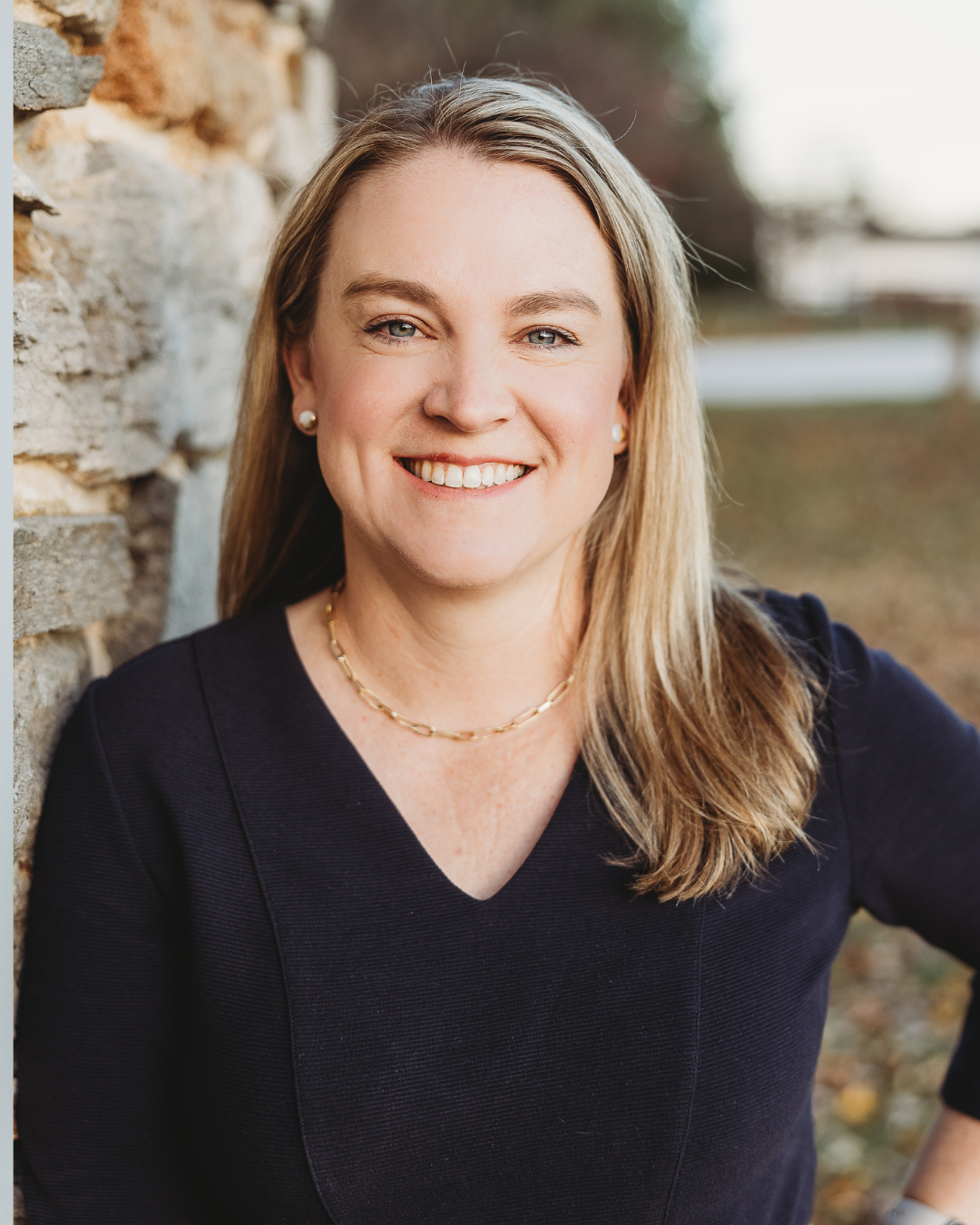
I’m Dr. Annie McLaughlin, a doctoral-level behavior analyst (BCBA-D) who is passionate about helping other behavior analysts learn about special education and IEP advocacy.
I've been a behavior analyst in the public schools, a special education school, and in clinics since 2010.
My PhD is in Special Education from the University of Washington. That is really where I fell in love with the intersection of behavior analysis and the public school system.
After becoming a mother of a medically complex child, I needed to navigate the public system for early intervention. Even with my background and training, I really felt lost and overwhelmed.
Around 2012, I decided to lean into a curiosity I had about IEP advocacy.
After a lot of trial and error, humbling mistakes, consultations outside of behavior analysis, and calling in all of the favors I could, I was able to start and grow a thriving private pay IEP advocacy business, training, and public speaking company!
As I attended numerous IEP meetings each week, I continued to hear things like, "You are the only BCBA who I've met who knows special education." and "Wow, can we have more behavior analysts who know about special education?"
It is truly what has led me to disseminate special education to behavior analysts in a way that allows them (YOU!) to understand and apply it.
Fourteen years later, I run an IEP advocacy business with three full-time IEP advocates, and I’ve trained more than 100 BCBAs in IEP advocacy. We are passionate about walking with families through the special education process and supporting behavior analysts in understanding special education.
I hope you join me to learn how to work with school teams, not against them.